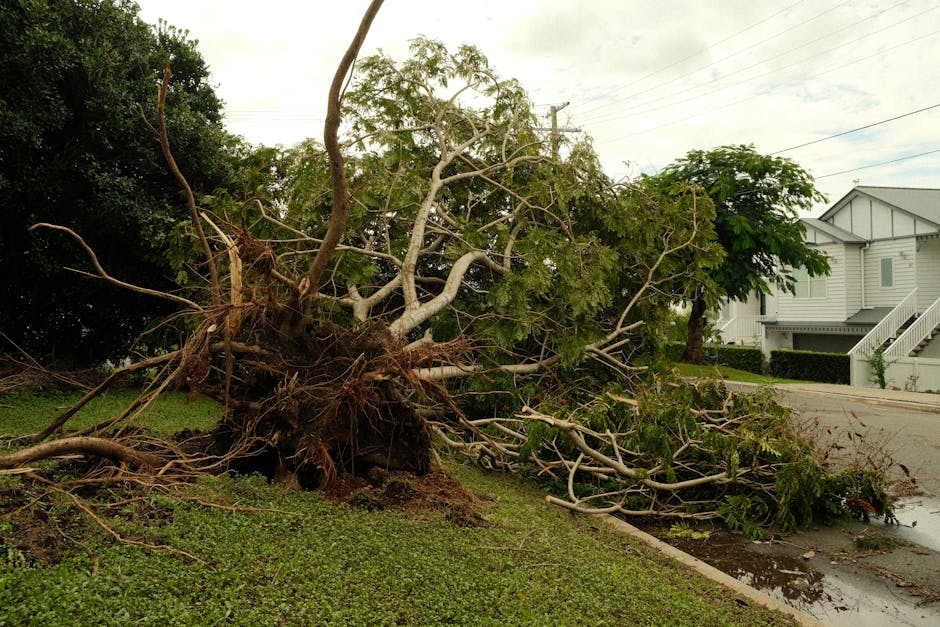
Common problems with driveway roots solved by local gardeners
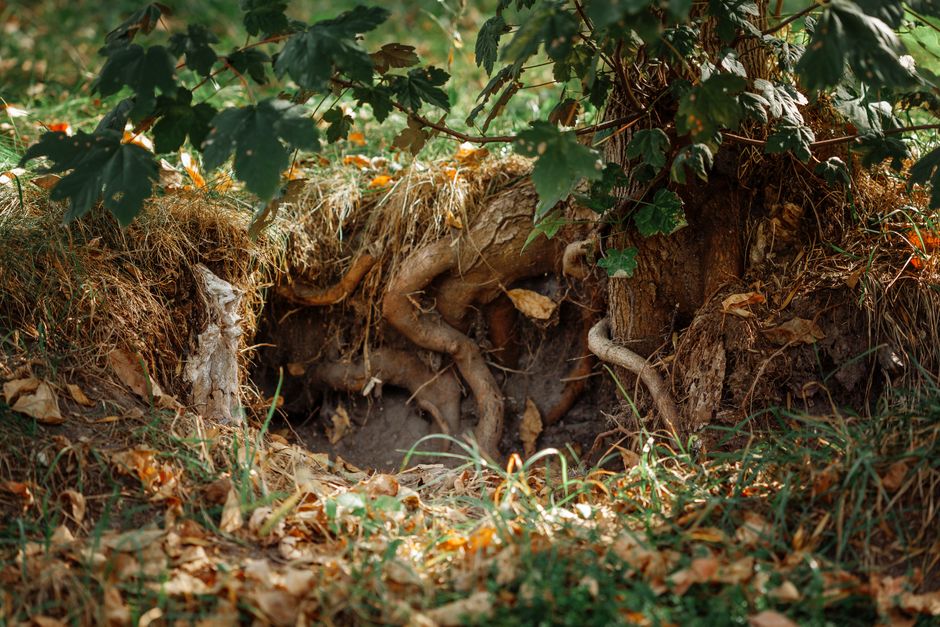
Driveway roots can turn a neat front garden into a lumpy, cracked headache surprisingly quickly. One month the slabs look fine; the next, you spot a raised edge, a hairline split, or a patch that holds water after every shower. If that sounds familiar, you are in the right place. This guide to common problems with driveway roots solved by local gardeners explains what is usually happening, why it matters, and how a skilled local gardener can help before the issue gets worse.
To be fair, roots are not always the enemy. Trees and large shrubs are just doing what plants do: seeking moisture, space, and stability. The trouble starts when that growth meets a driveway built with little room to spare. Below, you will find practical fixes, realistic expectations, and a few things people often miss until the damage is already obvious.
Why Common problems with driveway roots solved by local gardeners Matters
Driveway root problems are not just cosmetic. Yes, the cracked paving is the first thing you notice, but the bigger issues often hide underneath. Roots can lift surfaces, disturb sub-bases, block drainage paths, and create uneven edges that become awkward to walk or drive over. In a wet spell, the whole thing can start to feel a bit chaotic. Water pools where it should not. Soil softens. The surface shifts more easily. Then the damage starts to feed on itself.
Local gardeners are often the first practical professionals people call because they see the garden as a whole system, not just a hard surface that needs patching. They can assess nearby trees, shrubs, borders, soil levels, and drainage patterns together. That matters. If you only repair the driveway surface without addressing the root cause, the same problem tends to return, sometimes faster than expected.
There is also a safety angle. Raised slabs, broken tarmac edges, and uneven blockwork are trip hazards. For households with children, older relatives, visitors, or regular deliveries, the risk is easy to underestimate. A driveway that looks "only a little bit off" can become a nuisance in everyday life. And if you have ever tried steering a wheelie bin over a buckled edge, you already know how annoying that gets.
Expert summary: the best root-related driveway fixes usually start with diagnosis, not digging. Local gardeners look at the plant, the surface, and the surrounding ground together so the solution lasts longer.
How Common problems with driveway roots solved by local gardeners Works
At its core, the process is about identifying what kind of root pressure is causing the damage and deciding how much of the problem can be solved safely without harming the tree or the driveway unnecessarily. That balance is important. Not every root needs cutting, and not every cracked driveway needs full replacement. Sometimes the answer is pruning, raising or re-bedding a section, improving drainage, or redesigning the border so future growth has somewhere to go.
A local gardener usually starts with a visual inspection. They will look for signs such as:
- lifted paving or tarmac ridges
- cracks that run near a tree line or hedge
- sinkage next to a root-heavy border
- soft soil or voids under the edge of the drive
- spreading roots close to retaining edges or fences
- water pooling after rain
From there, the gardener may recommend one of several approaches. For smaller issues, root pruning and surface re-setting may be enough. For more established damage, the border may need reshaping, the planting area reduced, or the hard landscaping adjusted so roots and paving stop competing in the same space. In some cases, a tree specialist may be involved as well, especially if a significant root system or mature tree is near the drive.
That is where a genuinely local service helps. Local gardeners tend to work with the garden conditions they see every week: clay soil, compact city plots, narrow front gardens, old paving, and mixed planting close to hard surfaces. They know how quickly a little movement can become a bigger repair in UK weather. One heavy week of rain and the whole thing can look different. Annoying, yes, but predictable.
If the root issue is linked to wider garden neglect, services such as garden maintenance or garden clearance can also support the repair by removing overgrowth, improving access, and making the area easier to inspect properly.
Key Benefits and Practical Advantages
The most obvious benefit is stopping further damage, but there is more to it than that. A well-handled root problem can improve the driveway, the nearby planting, and the overall feel of the front of the property. You get back a surface that feels level and usable. You also reduce the odds of chasing the same repair every year.
- Safer access: fewer trip points, less wobble underfoot, and easier use for vehicles, bins, prams, and deliveries.
- Better drainage: corrected edges and cleared root interference help rainwater move where it should.
- Longer-lasting repairs: fixing the cause, not just the symptom, means less repeat work.
- Healthier planting decisions: a gardener can suggest better-suited shrubs, smaller root zones, or different layouts.
- Improved appearance: the whole frontage looks more cared for, which matters more than people admit.
There is also a quieter benefit: peace of mind. You stop wondering whether that crack is getting worse every time you look at it. Truth be told, that mental relief is worth something. Home maintenance becomes calmer when the issue is under control.
If the problem is severe enough to affect adjacent features, a gardener may suggest linked improvements such as landscaping to reshape levels or fencing to define boundaries and keep planting zones separate from hard-standing areas.
Who This Is For and When It Makes Sense
This kind of help makes sense for homeowners, landlords, property managers, and anyone responsible for a driveway bordered by established planting. It is especially relevant if you have mature trees, vigorous shrubs, climbing plants, or a front garden that sits very close to the drive. In older properties, where driveways were added later or widened over time, root conflicts are particularly common.
You may want help if:
- the driveway surface has started lifting near a tree or hedge
- you can see roots surfacing beside paving slabs
- the same section keeps cracking after repair
- rainwater gathers in a dip near the border
- the edge of the drive is breaking away into the soil
- you are planning to rework the front garden and want to avoid future problems
It also makes sense when you are not yet in an emergency but can see the warning signs. That is the ideal time, actually. Early intervention is usually simpler, less disruptive, and kinder to the plant structure. Waiting until a slab rocks underfoot is a bit like noticing a leaking tap and hoping the whole thing will sort itself out by magic. It won't.
If tree growth is the main driver, it may be sensible to combine gardener input with tree-focused support such as tree surgery or tree lopping and removal, depending on the size, condition, and location of the tree. That decision should be made carefully and with the bigger garden layout in mind.
Step-by-Step Guidance
Here is the most practical way to approach driveway root issues without making them worse. A calm process beats a rushed one nearly every time.
- Inspect the damage closely. Look at the width of the cracks, the direction of movement, and where the lifting starts. Note whether the problem follows a line of planting.
- Identify the likely source. Is it a tree, hedge, shrub, or a mix of roots? Not every raised section has the same cause, and guessing can lead to bad decisions.
- Check drainage and soil conditions. Sometimes roots are only part of the problem. Poor drainage, compacted soil, or failing edge support can make root pressure look worse than it is.
- Decide whether the plant should stay. Mature trees are valuable, both visually and environmentally. But if roots are undermining the drive badly, the layout may need change. A good gardener will talk this through carefully.
- Choose the right intervention. This may involve pruning roots where safe, removing damaged paving, rebuilding the base, reshaping borders, or reducing the planting zone near the drive.
- Repair the driveway properly. Any lifted or broken section should be re-laid on a stable base. Simply pushing slabs back down is not enough in the long run.
- Replant or redesign the edge. Once the surface is stable, the nearby garden area should be adjusted so the same problem does not return.
- Monitor the area after rain and seasonal growth. Spring and autumn can reveal movement that was hard to spot before. Keep an eye on it for a few weeks.
A local gardener can also advise on timing. For example, some root work is easier when the ground is not waterlogged and the plant is not under stress. That sounds obvious, but you would be surprised how often people try to fix everything in one damp afternoon.
Expert Tips for Better Results
Small choices make a big difference here. The best results usually come from thinking a little wider than the obvious crack in front of you.
- Don't treat the driveway in isolation. If the border is overgrown, the driveway will keep competing with roots. Make the planting area part of the fix.
- Be cautious with mature trees. Roots support the tree. Cutting too aggressively can create instability or stress. A measured approach is safer.
- Match plants to space. In tight front gardens, choose species that suit limited root space instead of fighting nature for years.
- Allow room at edges. A narrow expansion gap or planted strip can prevent hard surfaces from sitting directly against active root zones.
- Watch the water. If the ground stays soggy after rainfall, root movement and surface failure both become more likely.
- Keep access clear. Good access lets gardeners inspect and work more accurately, which sounds mundane but matters a lot.
One small but useful habit: walk the drive after heavy rain and again after a dry spell. The same surface can behave differently, and those changes often tell you more than a quick glance ever will.
For broader upkeep, recurring visits from gardening services can help keep borders trimmed, roots monitored, and future issues spotted earlier. Not glamorous, but effective.
Common Mistakes to Avoid
Most root-related driveway problems become harder to fix because of a few common missteps. They are easy to make, especially when you just want the thing sorted quickly.
- Ignoring early lifting. A slightly raised slab is often the first warning, not a minor detail.
- Cutting roots without understanding the plant. Some roots can be managed safely, others cannot. Context matters.
- Re-laying surfaces without correcting the base. The same movement will come back if the support below remains weak.
- Using the wrong materials at the edge. Weak edging or poor transition between soil and hard surface encourages movement.
- Over-pruning the garden. Removing too much can leave the frontage looking bare and create new maintenance headaches.
- Delaying because the damage seems small. It rarely stays small. That is the frustrating bit.
And yes, sometimes people try to "just live with it" for another year. Fair enough, budgets are real. But if the crack is spreading, time is usually costing more than the repair. A quick assessment now can save a much messier job later.
Tools, Resources and Recommendations
There is no need for a huge toolkit, but the right equipment and a sensible plan make the job smoother. Local gardeners usually bring a mix of inspection tools, hand tools, edging materials, and soil-moving kit depending on the size of the task.
- Inspection basics: tape measure, marker spray or chalk, and a notebook for mapping movement.
- Root and border work: hand saws, spades, loppers, pruning tools, and sometimes specialist cutting equipment for thicker roots.
- Surface repair: levelling tools, compacting equipment, replacement sub-base materials, and matching paving or edging products.
- Garden tidy-up: waste bags, barrows, and clearance support to remove debris cleanly.
Useful related services can help when the driveway issue is part of a wider front-garden reset. For example, patio cleaning can improve nearby hard landscaping, while lawn care or lawn mowing may be helpful if the surrounding lawn is stressed by root competition and shade.
If your project is becoming more structural, you may also want to consider landscape gardening for a more complete redesign. Sometimes that is the cleanest route, especially where old planting and old paving have simply outgrown each other.
Law, Compliance, Standards, or Best Practice
Driveway root work is not usually about formal paperwork in the way a building project might be, but there are still practical standards and responsibilities worth keeping in mind. In the UK, tree work and larger root interventions should be done carefully, especially where a tree may be protected or where local planning conditions could apply. A responsible gardener will avoid guessing and will raise concerns where specialist input is needed.
There is also a duty of care aspect. If the driveway forms part of a shared access route or leads to a public-facing frontage, it should be kept reasonably safe and usable. That means paying attention to trip hazards, unstable paving, and loose materials during works. Good practice matters even when the job seems small.
In professional terms, the best approach is usually:
- work with clear site awareness
- avoid unnecessary damage to healthy plants
- maintain safe access during the job
- dispose of waste responsibly
- use suitable materials for reinstatement
If you are hiring help, it is sensible to check basic business protections too. Relevant service pages such as health and safety policy, insurance and safety, and recycling and sustainability give a better sense of how a company handles risk, waste, and responsible working methods.
That's the sort of detail that separates a tidy fix from a troublesome one.
Options, Methods, or Comparison Table
Different driveway root problems call for different solutions. Here is a simple comparison to help you understand the usual options.
| Method | Best for | Pros | Watch out for |
|---|---|---|---|
| Minor root pruning | Small sections of root pressure near the edge | Quick, targeted, less disruption | Must be done carefully to avoid plant stress |
| Surface re-laying | Lifting slabs or uneven blocks | Restores level finish | Will fail again if the base is not improved |
| Border redesign | Recurring root conflict in tight spaces | Long-term prevention, cleaner layout | May involve more upfront work |
| Tree or shrub reduction | Vigorous growth too close to hard standing | Can reduce future pressure | Needs careful judgement and sometimes specialist support |
| Full driveway rebuild | Severe, repeated structural movement | Most complete reset | Higher disruption and cost |
In real life, the best option is often a mix. A gardener might clear the border, a tree specialist may help with the roots, and the hard surface may need rebuilding at the same time. Bit by bit, the whole area starts behaving again.
Case Study or Real-World Example
A common real-world scenario goes like this: a homeowner notices that one side of the driveway has started to rise close to a mature hedge. At first it is just noticeable when the car rolls over it. Then, after a wet fortnight, the slab edge shifts enough to catch a shoe. Nothing dramatic, but enough to be annoying every single day.
A local gardener would usually begin by inspecting the hedge line and the edge support. In many cases, the hedge roots are spreading into the same narrow strip that is holding the driveway base. The fix may include thinning the hedge, clearing old soil build-up, lifting the damaged edge, rebuilding the compacted base, and creating a clearer separation between the planting and paving.
What often surprises people is how much better the frontage looks after the repair is done properly. Not just the drive, but the whole entrance feels more orderly. The air even seems to change a bit when overgrown material is removed. You notice the space again. That sounds small, but it matters.
Sometimes the gardener also suggests follow-up maintenance so the same issue does not creep back. It is not about selling more work for the sake of it; it is about keeping an eye on a problem that was already trying to come back.
Practical Checklist
Use this checklist if you are trying to decide whether to call for help now or leave it a little longer.
- Do I see lifting, cracking, or sinking near trees or shrubs?
- Has the same driveway area been repaired before?
- Does water pool after rain?
- Are roots visible at the surface or close to the edge?
- Is access becoming awkward or unsafe?
- Would a border redesign help prevent repeat damage?
- Could wider garden maintenance improve the outcome?
- Do I need a tree specialist as well as a gardener?
- Am I aiming for a quick patch or a longer-lasting fix?
- Have I checked the company's safety and insurance information?
If you answered yes to several of those, it is probably time to act. Not panic. Just act.
Get a free quote today and see how much you can save.
Conclusion
Driveway root problems are one of those home issues that look minor until they start affecting everyday use. The good news is that they are often manageable when tackled early and handled by someone who understands both planting and hard surfaces. That is where local gardeners really earn their keep. They spot the broader pattern, not just the cracked bit in front of them.
If you want the repair to last, the goal is simple: deal with the roots, stabilise the surface, improve the border, and keep an eye on future growth. Do that well, and the driveway stops feeling like a constant worry. It just becomes part of the house again, as it should be.
And honestly, there is something satisfying about that. A level driveway, a healthier front garden, and one less thing to keep checking every time it rains.
Frequently Asked Questions
What are the most common driveway root problems?
The most common issues are lifted paving, cracked edges, uneven slabs, sinking near the border, and drainage problems caused by roots pushing into the driveway structure.
Can a local gardener fix driveway roots without removing the tree?
Sometimes, yes. If the root pressure is manageable, a gardener may be able to prune roots carefully, reshape the border, or adjust the surface without removing the tree. If the tree is too close or too large, a specialist opinion may be needed.
How do I know if roots are causing my driveway to lift?
Look for lifting or cracking close to planting areas, visible roots at the edge, repeated movement after repairs, and unevenness that worsens after wet weather. Those are the usual clues.
Is it better to repair the driveway first or deal with the roots first?
Usually, the root cause should be assessed first. If you only repair the surface, the same movement can happen again. A proper fix normally considers both the root pressure and the driveway base.
Will cutting roots damage my plants?
It can, if done badly. That is why root work should be measured and careful. The amount removed, the plant species, and the plant's age all matter. A good gardener will not just hack away at it.
How often should I check for driveway root damage?
A quick look every few months is sensible, and it is worth checking after heavy rain or seasonal growth in spring and autumn. Small movement is easier to manage than a full structural repair.
What if the driveway damage keeps coming back?
If the same area keeps failing, the border design, drainage, or planting choice probably needs changing. Repeated damage is usually a sign that the original layout was too tight for the roots and the surface to share.
Do local gardeners handle both the garden and the driveway repair?
Often they can handle the garden side and coordinate practical surface work, especially for border reshaping, clearance, and replanting. If the driveway itself needs major rebuilding, they may recommend a more specialist hard landscaping approach.
Is this the same as tree root removal?
Not exactly. Driveway root issues are about fixing the conflict between roots and the hard surface. Sometimes that involves root pruning or tree work, but often the better answer is a broader garden and driveway adjustment.
What should I ask before booking a gardener for this work?
Ask how they would inspect the area, whether they can work around established plants, what happens if the roots are larger than expected, and whether they carry suitable insurance and follow safe working practices.
Can root problems affect drainage as well as the surface?
Yes. Roots can disturb edges, compact soil, and alter the way water moves along the driveway. That is why pooling water and root damage often show up together.
When does driveway root damage become a bigger safety issue?
It becomes more serious when the surface is raised enough to trip people, when slabs wobble underfoot, when vehicles are affected, or when water is collecting in unstable areas. At that point, it is worth dealing with quickly.