Purley Oaks area gardeners small garden design ideas: clever ways to make a small garden feel bigger, calmer, and easier to live with
If you live in Purley Oaks and your garden feels more like a narrow outdoor passage than a proper retreat, you are not alone. Small gardens can be brilliant, but they need a sharper plan. The right Purley Oaks area gardeners small garden design ideas can turn a cramped patch into somewhere useful, restful, and surprisingly stylish. A few good decisions around layout, planting, storage, and surfaces make all the difference. Truth be told, most small gardens do not need more stuff. They need better structure.
In this guide, you will find practical design ideas that work for compact London gardens, along with simple steps, common mistakes to avoid, and examples of what usually gives the best results. We will keep it grounded and realistic. No fantasy jungle, no impossible promises. Just ideas that help a small garden feel more open, more intentional, and easier to maintain.
Why Purley Oaks area gardeners small garden design ideas matters
Small gardens in Purley Oaks often have the same basic challenge: they need to do a lot with very little room. Maybe the space is split by a side return, boxed in by fencing, shaded by a neighbour's tree, or squeezed around a patio that was installed years ago and never really "designed". The good news is that a compact garden is often easier to improve than a large one. Every square metre matters, so every decision is visible.
That is why design matters so much. If the layout is wrong, even attractive planting can look messy. If the planting is too heavy, the garden feels smaller. If there is no clear purpose, it becomes a storage yard with a few plants clinging on. A thoughtful design gives the garden a job: dining, relaxing, growing herbs, creating privacy, or simply looking good from the back door on a grey Tuesday morning. And yes, that last bit counts.
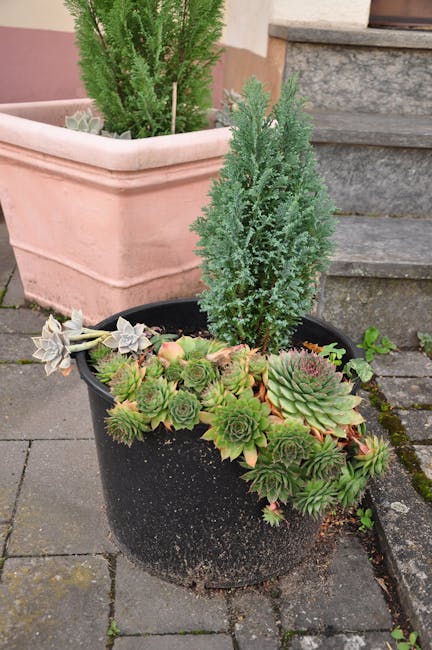
Local conditions also matter. Many Purley Oaks gardens face a mix of partial shade, overlooked boundaries, clay-heavy soil in places, and the usual London pressures of limited time and limited outdoor storage. The best ideas are the ones that suit real life, not showroom fantasy. For a deeper look at compact-space planting, the article on container gardening for small spaces is a useful companion read.
How Purley Oaks area gardeners small garden design ideas works
Good small garden design usually works in layers. First, you decide how you want to use the space. Then you shape the structure around that choice. After that, you choose plants and materials that reinforce the feeling you want: calm, tidy, lush, family-friendly, or low maintenance.
In practice, that often means using a few core techniques:
- Zoning: splitting the space into areas for sitting, planting, or movement.
- Vertical interest: drawing the eye upward with climbers, trellis, obelisks, or wall planting.
- Simple repetition: repeating a small set of plants or materials so the garden feels coherent.
- Clear edges: using edging, raised beds, or a defined path so the garden reads as neat, not crowded.
- Balanced planting density: enough greenery for softness, but not so much that everything competes.
If your garden already feels dark or enclosed, improving the vertical plane can be especially effective. A fence is not just a boundary; it is a design surface. The article on vertical gardening ideas shows how much value can be gained from walls and fences. For shady spots, green climbers for shaded corners can soften hard lines without stealing floor space.
One practical rule that helps: design from the outside in. Start with what you see from inside the house, then work outward. In a small garden, the view from the kitchen window often matters more than the centre of the lawn. That sounds obvious, but it is one of the things people forget first.
Key benefits and practical advantages
A well-designed small garden does more than look neat. It changes how the space feels and how often you use it. A garden that once felt awkward can become the place you sit with coffee, grow a few reliable herbs, or let children play without tripping over clutter. Small improvements often create a bigger emotional shift than people expect.
- It feels larger: smart sightlines, lighter materials, and layered planting create a sense of depth.
- It is easier to maintain: clear structure means less fiddling and less chaos.
- It can be more private: compact spaces benefit hugely from hedges, screens, and layered planting.
- It supports flexible living: a small garden can be a lounge, dining area, pet space, or growing zone.
- It usually costs less to improve than a larger garden: fewer materials, less planting volume, and smaller labour requirements.
There is also a psychological benefit, and this one is easy to underestimate. A small garden that feels ordered and alive can make the whole property feel calmer. On a wet evening, with the patio cleaned and a few lights on, the space reads very differently. The article on stylish garden seating is useful if you want the sitting area to feel more inviting without crowding the rest of the plot.
For families, a good layout can also create safety and simplicity. If you need a space that works around children, you may want to combine planting with practical thinking from kid-safe garden ideas. It is not glamorous advice, but it is the sort that saves headaches later.
Who this is for and when it makes sense
This approach is ideal if your garden is small, narrow, overlooked, shaded, or difficult to keep tidy. It also makes sense if you want the garden to look better without signing up for a weekend of endless maintenance. Let's face it, not everyone wants to spend half their Sunday chasing weeds and emptying buckets.
Purley Oaks homeowners often fall into one of these groups:
- People with a compact rear garden that needs clearer structure.
- First-time homeowners who want the garden to feel finished, not temporary.
- Busy households needing low-maintenance planting and surfaces.
- Families wanting a usable outdoor room rather than just a strip of grass.
- Gardeners who enjoy plants but need help choosing the right scale and layout.
It also makes sense if you already have the basics in place but the garden still feels unfinished. A tired patio, a patchy lawn, or a fence line overrun with ivy can all drag the whole space down. Sometimes the best move is not a full rebuild. It is a smart redesign with selective upgrades. If you are tackling overgrown boundaries as part of the plan, you may find ivy control solutions that work useful, especially where planting and hard surfaces are competing.
Step-by-step guidance
If you want a small garden to feel better quickly, work in a clear order. This avoids wasted effort and stops you buying plants or materials that do not suit the layout. A rushed purchase of "something pretty" is how a lot of compact gardens end up with mismatched corners and too many jobs at once.
- Measure the space properly. Note the full shape, any awkward corners, access points, and shady areas. A simple sketch is enough to start.
- Decide the main purpose. Ask yourself: is this mainly for sitting, planting, entertaining, pets, children, or all of the above?
- Keep the circulation clear. In a small garden, walkways should feel obvious. If you have to sidestep pots like you are in a narrow corridor, the layout is too busy.
- Choose one strong focal point. A bench, a specimen plant, a water feature, or a trellis panel can anchor the design.
- Use vertical planting strategically. Climbers, wall planters, and espaliered forms create height without taking floor space.
- Limit the material palette. Two or three main paving or gravel tones usually look more refined than a patchwork of finishes.
- Build the planting in layers. Use evergreens or structure plants first, then add seasonal interest and texture.
- Finish with practical details. Lighting, storage, edging, and watering access matter more than people think.
A useful shortcut is to start with the "bones" of the garden before you think about flowers. If the hard landscaping is clear, planting becomes easier. If the structure is vague, the garden never fully settles. For guidance on broader layout choices, professional gardening services and landscaping support can help you turn a rough idea into something practical.
Expert tips for better results
In small gardens, tiny design choices have an outsized effect. Here are the ones that tend to pay off most reliably.
1. Think in layers, not rows
Flat rows of plants often make a small garden feel narrower. Instead, combine low ground cover, mid-height shrubs or perennials, and vertical accents. The eye moves more naturally through the space, and the garden feels fuller without feeling crowded. If ground layer ideas are what you need, this guide to top ground cover plants for UK gardens is well worth a look.
2. Use repetition to calm the space
Repeating the same pot shape, paving line, or planting theme makes even a tiny garden feel considered. A few repeated textures often look better than lots of different features fighting for attention.
3. Make walls and fences work harder
Boundary treatment is a big deal in compact gardens. Trellis, climbers, painted fences, and slim vertical planters can change the feel of the whole plot. The article on fast-growing hedges for privacy is useful if you want screening without waiting forever.
4. Choose plants that stay neat
Some plants are lovely but simply too exuberant for a small plot. Compact shrubs, clipped evergreens, resilient herbs, and tidy perennials are usually safer than aggressive spreaders. You can still have character without chaos.
5. Leave a little breathing room
This is the bit people resist, then later thank you for. Empty space is not wasted space. It gives the planting room to show itself, and it helps the garden feel calmer. A small patio with one or two great planters can feel far better than a corner crammed full of everything available at the garden centre.
If you want a more relaxed mood, the ideas in zen garden inspiration can help you simplify the palette and reduce visual noise. Quiet gardens are underrated.
Common mistakes to avoid
Small gardens are unforgiving of clutter. One bad decision can dominate the whole space, which is why planning matters so much. Here are the mistakes that show up again and again.
- Overfilling the space: too many pots, ornaments, and plant varieties make the garden feel smaller.
- Using oversized features: large furniture or chunky planters can overwhelm a compact layout.
- Ignoring shade and aspect: a sunny plant in a shady corner will just sulk. You know how that goes.
- Choosing a lawn because it feels traditional: a tiny lawn can be a maintenance burden and may not add much value in a small plot.
- Neglecting storage: tools, hoses, and bins need a home or they will quietly take over the view.
- Forgetting maintenance access: if you cannot reach the back of a bed, it will become a weed trap.
Weeding is another area where people underestimate the workload. If your space already has an invasion problem, these weed control tips are a practical starting point. For ongoing upkeep, it is often smarter to design with maintenance in mind from day one rather than hoping motivation will magically appear later. It rarely does.
Tools, resources and recommendations
You do not need a shed full of specialist kit to improve a small garden, but a few basics help enormously. The best tools are the ones that make regular jobs easier, not the ones that make you feel vaguely guilty for owning them.
- Measuring tape and graph paper: simple, old-fashioned, and still very useful for planning.
- Sharp secateurs: essential for shaping, deadheading, and keeping shrubs tidy.
- Hand fork and trowel: useful for containers, edging, and planting in tight spaces.
- Quality watering can or hose setup: especially important where containers or raised beds are involved.
- Compact garden storage: keep tools, feed, and spare pots out of sight where possible.
- Outdoor lighting: subtle lighting can extend the useful life of a small garden into the evening.
For planting inspiration, the article on creating an herb garden is a smart fit for small spaces. Herbs are compact, useful, and forgiving if you choose the right spot. If you want something more seasonal and low effort, budget-conscious low-maintenance ideas can help you stretch your budget without making the garden look cheap.
And if the garden is only one part of a wider property refresh, services like patio cleaning, lawn care, and fencing can improve the finished look quickly. Small gardens often benefit more from sharpening existing features than from adding new ones.
Law, compliance, standards, and best practice
For most small garden design projects, the main issue is not legal compliance in a strict sense. It is best practice, safety, and being considerate of neighbours. Still, there are a few things worth keeping in mind, especially if you are planning new fencing, tree work, substantial boundary changes, or major alterations near shared lines.
If you are dealing with shared boundaries, overhanging branches, or mature trees, it is sensible to check responsibilities carefully before cutting or building anything close to a neighbour's side. Tree work can carry safety and legal implications, particularly where large limbs or protected trees may be involved. When in doubt, use a qualified approach rather than a guess. That is just sensible.
Good practice also includes:
- making sure surfaces are safe and not overly slippery after rain;
- keeping pathways level enough for regular use;
- avoiding invasive planting too close to boundaries;
- checking that lighting is suitable without causing glare to neighbours;
- using sturdy fixings for trellis, screens, and wall features;
- planning drainage so water does not pool near doors or walls.
For site safety and peace of mind, pages like insurance and safety, health and safety policy, and terms and conditions are useful reference points when you are choosing a professional team. It is not the exciting part, admittedly, but it matters.
Options, methods, and comparison table
Different small gardens need different solutions. The right choice depends on how much maintenance you want, how private the space needs to be, and whether you want the garden to feel soft, structured, or highly practical. Here is a simple comparison to help narrow it down.
| Method | Best for | Strengths | Trade-offs |
|---|---|---|---|
| Container planting | Very small patios, rented homes, flexible layouts | Portable, easy to change, ideal for herbs and seasonal colour | Needs regular watering and feeding |
| Vertical planting | Walls, fences, narrow gardens, shaded corners | Saves ground space, adds height, improves privacy | Needs secure fixing and ongoing pruning |
| Raised beds | People who want structure and easier planting access | Neat boundaries, improved soil control, clearer zones | Can reduce floor space if overused |
| Minimal hard landscaping | Low-maintenance courtyards and family use | Easy to keep tidy, visually simple, durable | Needs soft planting to avoid looking stark |
| Privacy planting | Overlooked gardens and boundary-focused designs | Softens views, creates enclosure, adds year-round character | May take time to establish |
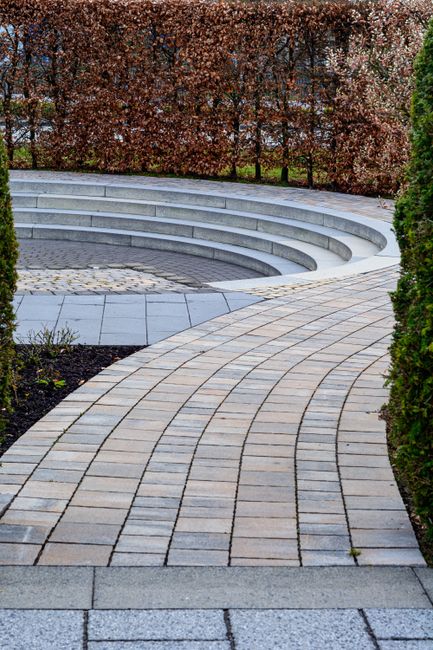
In many Purley Oaks gardens, a hybrid approach works best. For example: a compact paved area, one vertical feature, a few containers, and a narrow planted border. That combination usually feels more liveable than trying to squeeze in everything at once.
Case study or real-world example
Consider a typical small rear garden with a narrow footprint, a tired fence, and a patchy lawn that never quite looks intentional. The owners wanted somewhere to sit with a coffee, a bit of privacy, and enough planting to stop the whole thing looking harsh.
The redesign was simple rather than dramatic. The lawn was reduced, the patio edge was cleaned up, and planting was organised around two clear zones: one seating area and one boundary strip. Trellis was added to the fence, climbers were introduced to lift the eye upward, and a few repeated container shapes were used to avoid clutter. Nothing flashy. Just tidy decisions, one after another.
The result was a garden that felt calmer and more useful. It looked larger because there was a clear path through it. It felt more private because the fence line had depth. And it became easier to maintain because there was less lawn edge to keep trimming and fewer awkward gaps for weeds to invade. Small changes, honestly, but they added up.
For homeowners who want a similar result without starting from zero, services such as garden maintenance and lawn mowing can help keep the structure neat while the planting settles in. If there are larger improvements to make, decking services may be worth considering where you want a compact, usable seating platform.
Practical checklist
Use this checklist before you start any small garden redesign. It keeps the project grounded and saves a lot of second-guessing later.
- Measure the garden and mark out the key problem areas.
- Decide the main purpose of the space.
- Choose one focal point, not three.
- Plan clear paths or access routes.
- Limit your colour and material palette.
- Use height: climbers, trellis, wall planting, or tall containers.
- Balance hard landscaping with soft planting.
- Select plants that suit shade, sun, and wind exposure.
- Check how much maintenance you realistically want.
- Include storage for tools, cushions, and clutter.
- Make sure drainage and edging are sensible.
- Review the finished plan from inside the house, not only from the garden gate.
If you are still in the early planning stage, the guide to starting a garden journey can help you take that first step without overthinking every detail. And if you want more environmentally thoughtful planting, gardens and climate-conscious choices is a good broader read.
Conclusion
Small gardens in Purley Oaks do not need to be vast to feel special. They need clarity, proportion, and a design that respects the space rather than fighting it. When the layout is simple, the planting is thoughtful, and the hard landscaping works with the garden instead of bullying it, the whole place changes. It starts to feel like part of the home again.
The best Purley Oaks area gardeners small garden design ideas are rarely the most complicated ones. More often, they are the ones that make the garden easier to live with every day. That might mean better screening, a cleaner patio, smarter planting, or a quieter colour palette. Small wins. But they matter.
Get a free quote today and see how much you can save.
And if you are ready to turn a cramped patch into something that actually works for your life, the next step is simpler than it looks. Start with the space you have, not the space you wish you had. That's usually where the good gardens begin.
Frequently Asked Questions
What are the best small garden design ideas for Purley Oaks homes?
The best ideas usually combine vertical planting, clear zoning, compact seating, and a limited material palette. In a small garden, simplicity tends to beat complexity almost every time.
How do you make a small garden look bigger?
Use fewer materials, repeat plant shapes, keep paths clear, and add vertical height with climbers or trellis. A small garden feels larger when the eye can travel easily through it.
Is a lawn a good idea in a small garden?
Sometimes, but not always. In many compact gardens, a full lawn takes up space without adding much practical value. A small lawn can work if it is part of a balanced design, but patios, beds, or gravel often make more sense.
What plants work well in a tiny London garden?
Compact evergreens, tidy perennials, herbs, climbers, and ground cover plants are usually strong choices. The key is choosing plants that match the light and do not spread too aggressively.
How much maintenance does a small garden need?
That depends on the design. A well-planned small garden can be quite easy to maintain, especially if it uses repeating plants, simple edges, and low-upkeep materials. Poorly planned spaces, by contrast, can become surprisingly fiddly.
Can a small garden still feel private?
Yes, absolutely. Privacy can come from hedges, trellis, climbers, screens, and layered planting. You do not need a tall solid fence everywhere; often a softer boundary works better.
Should I use containers or raised beds in a small space?
Both can work. Containers are flexible and good for rented homes or changing displays. Raised beds create structure and can be useful if you want neater planting zones or easier access.
What is the biggest mistake people make with small gardens?
The most common mistake is overcrowding. Too many plants, too many pots, and too many surface finishes make a small garden feel even smaller.
Do I need professional help for a small garden redesign?
Not always, but professional help can save time and prevent costly design mistakes, especially if the garden has awkward levels, poor drainage, boundary issues, or a layout that has never really worked.
How do I plan a small garden on a budget?
Start with the structure, not the extras. Reuse existing materials where sensible, focus on one or two strong features, and choose plants that will last. The article on budget-conscious garden improvements can help if you want low-cost direction.
What should I do first if my small garden feels unusable?
Clear the clutter, measure the space, and decide what job the garden needs to do first. Once you know whether you want seating, planting, or privacy, the right design choices become much easier.
Can small gardens support wildlife as well as bigger ones?
Yes. Even a compact garden can support pollinators and birds with the right planting choices. A small space with layered planting, some shelter, and seasonal flowers can do more than people expect.